
Dermal fillers have become a popular choice for those looking to enhance their facial features without undergoing invasive surgery. In this guide, we will explore what dermal fillers are, how they work, and what to consider before getting them.
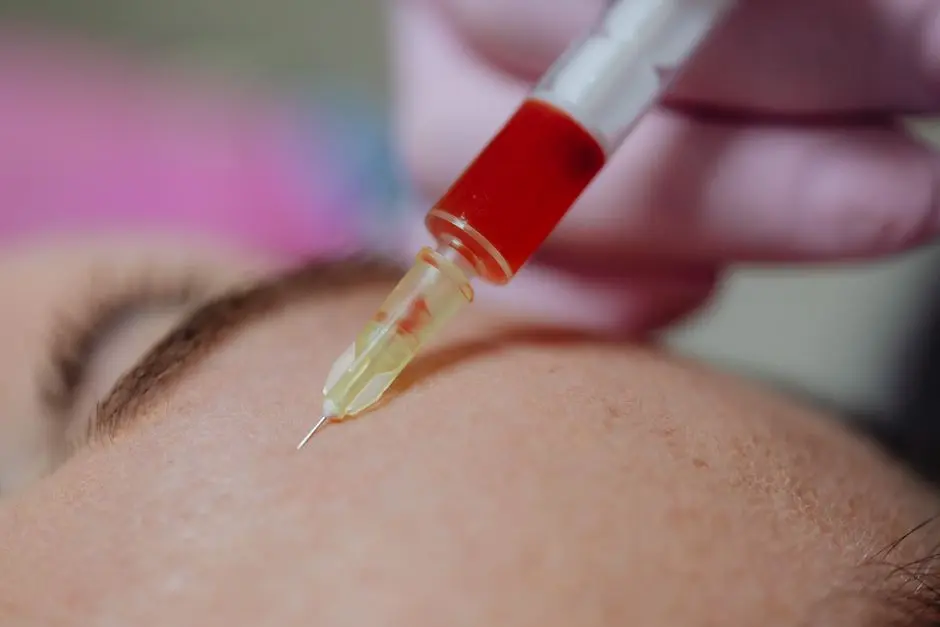
What Are Dermal Fillers?
Dermal fillers are injectable substances that can restore volume, smooth lines, and enhance facial contours. Common ingredients include hyaluronic acid, collagen, and other materials that are safe for the body.
But what exactly happens when these fillers are injected? They work by replenishing the skin’s natural substances that diminish with age, such as collagen and elastin. As we grow older, our skin may lose elasticity and volume, leading to wrinkles and fine lines. Dermal fillers essentially act as a cushion, enhancing the skin’s structure and appearance.
In essence, dermal fillers aim to turn back the clock, offering solutions for various facial concerns. Whether you’re looking to plump up your lips, smooth out nasolabial folds, or rejuvenate your cheekbones, there’s a filler designed for your needs.
How Do Dermal Fillers Work?
These fillers work by plumping the skin and providing support to underlying tissues. By injecting fillers precisely, practitioners can achieve natural-looking results that enhance your features.
Furthermore, the science behind it is both fascinating and straightforward. Once injected, the hyaluronic acid attracts and binds water, effectively hydrating and volumizing the tissue. This not only smooths out existing wrinkles but also prevents new ones from forming, giving a youthful glow to your skin.
It’s important to remember that results can vary each time, depending on factors like the type of filler used and your individual skin characteristics. This means that understanding the options available to you is key. So, let’s dive deeper into the different types of fillers to see which one may be the best option.
Types of Dermal Fillers Available
There is a variety of dermal fillers available, each suited for different treatments. Popular types include hyaluronic acid fillers, collagen-based fillers, and poly-L-lactic acid fillers. Understanding each type can help you choose what’s right for you.
For instance, hyaluronic acid fillers are known for their natural look and feel, and they can be easily dissolved if needed. On the other hand, collagen-based fillers provide firmness and are often used for deeper lines. More recently, poly-L-lactic acid fillers have gained attention as they stimulate collagen production over time, leading to gradual and lasting results.
Then there are calcium hydroxylapatite fillers, which are thicker and often used for deeper wrinkles and to enhance the jawline. The diversity in options allows for a tailored approach depending on your facial structure and desired results. Consulting with a qualified practitioner can help you make informed decisions about which filler will best suit your unique needs.
The Benefits of Dermal Fillers
Dermal fillers offer immediate results with minimal downtime. They can smooth out wrinkles, add volume to lips, and enhance cheekbones, making them a versatile option for those looking to rejuvenate their appearance.
What’s particularly appealing is how quickly you can see results—often right after the procedure! This instant transformation can significantly boost your confidence. Many clients leave their appointments feeling rejuvenated and looking years younger without the long recovery times typically associated with surgical procedures.
Moreover, dermal fillers have a relatively low risk profile when performed by experienced professionals. This accessibility means that individuals of varying ages and backgrounds can benefit from enhancements that were once only available to those willing to go under the knife. It’s a transformative experience that could be right around the corner!
What to Expect During the Procedure
When you arrive for your appointment, a qualified practitioner will assess your facial structure and discuss your goals. The procedure itself typically takes about 30 minutes, and you may experience mild discomfort which can be managed with topical anesthetics.
During the procedure, the practitioner will inject the filler with precision to achieve the desired contouring effect. It’s fascinating to witness how skilled techniques can create natural results, blending seamlessly with your facial features. After the injections, some swelling and redness may occur, but these effects usually subside quickly.
Expect to leave with some instructions for aftercare as well. Following these guidelines can maximize your results and minimize any immediate discomfort. Taking a moment to prepare yourself mentally and physically will ensure you are fully ready for your dermal filler journey.
Aftercare Tips for Best Results
Post-procedure care is crucial for optimal outcomes. Avoid touching the treated area, excessive sun exposure, and strenuous exercise for at least 24 hours to reduce the risk of complications.
In addition, applying cold compresses can be helpful for easing any swelling or bruising that may develop. You should stay well-hydrated and avoid high-pressure activities, which can disrupt the filler placement. Give your body time to adjust and enjoy the new enhancements.
Moreover, attending follow-up appointments can be beneficial, as practitioners can assess the results and make adjustments if needed. This proactive approach ensures that you maintain the look you love while staying informed about your treatment.
Potential Risks and Considerations
While dermal fillers are generally safe, there are some risks involved, including allergic reactions, infection, and bruising. It’s essential to choose an experienced practitioner to minimize these risks.
Additionally, being open about your medical history and any applicable allergies during consultations is vital. Transparency helps ensure your safety and the effectiveness of the treatment. Most side effects are temporary but being informed can alleviate unnecessary concerns.
It’s crucial to approach this decision with care. Researching practitioner credentials and asking for before-and-after photos of past clients can provide peace of mind. Remember, it’s not just about the product but also about the person applying it.
Making Informed Decisions About Dermal Fillers
Always do thorough research before proceeding. Consult with professionals, ask questions, and ensure you feel comfortable with the treatment plan. This will lead to a satisfying experience and results.
Moreover, consider budgeting for your procedure and any potential follow-up treatments. Understanding the financial aspect is crucial and can help you avoid surprises later on. Think of it as an investment in your self-confidence.
Finally, trust your instincts. If something doesn’t feel right during your consultation or you don’t feel a connection with the practitioner, it’s perfectly acceptable to seek out other options. Your comfort and satisfaction should always take precedence as you explore the world of dermal fillers.
Final Thoughts on Dermal Fillers
Dermal fillers can transform your appearance in subtle ways, giving you that extra boost of confidence. Understanding the process and expectations can help you make informed decisions. Remember to consult with a qualified professional to achieve the best results!