
Dermal fillers have become a popular option for enhancing facial features and reducing the signs of aging. However, with their growing popularity, questions about their safety have arisen. This FAQ aims to address those concerns and provide clarity on who can safely use dermal fillers.
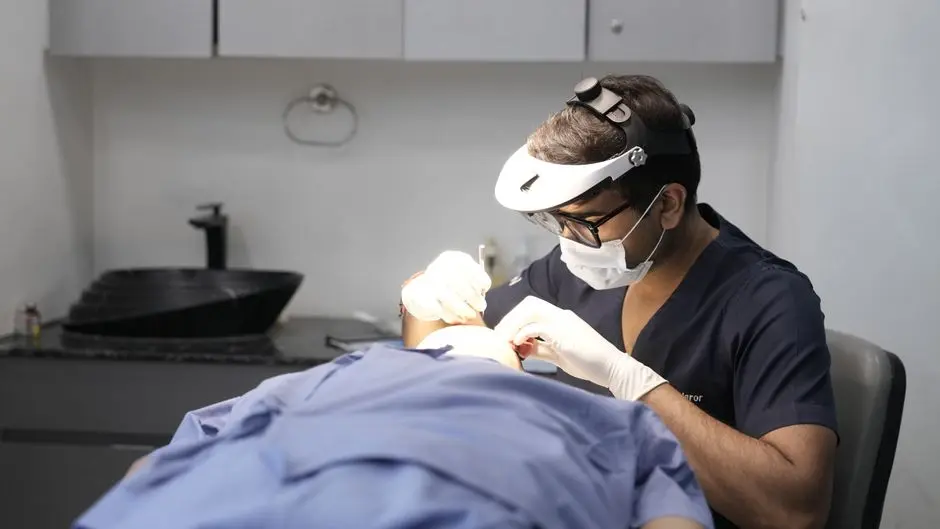
Understanding Dermal Fillers
Dermal fillers are injectable substances designed to restore volume and fullness to the face. They can help smooth out wrinkles and enhance facial contours.
With various types available, dermal fillers can use materials like hyaluronic acid or calcium hydroxylapatite. Each type has unique properties and intended results, ranging from plumping thin lips to filling in deep nasolabial folds.
The treatment process is typically quick, often taking less than an hour with minimal downtime. However, understanding the nuances of each product is essential for best outcomes.
So, are dermal fillers safe for everyone? In general, they are safe for most adults, but individual factors play a significant role in that assessment.
Who Should Avoid Dermal Fillers?
While many can benefit from dermal fillers, certain individuals should approach with caution. If you’re pregnant or breastfeeding, it’s generally recommended to avoid any cosmetic treatments.
Additionally, those with specific medical conditions such as autoimmune disorders or skin infections at the injection site may be unsuited for dermal fillers. Allergies to components in fillers, like lidocaine, are also significant considerations.
If you have a history of severe allergies, it’s best to discuss this thoroughly with your practitioner. They can guide you safely through the options available to you.
Ultimately, being transparent about your health history ensures a safer and more satisfactory experience.
Assessing Individual Health Factors
Before diving into dermal filler treatments, it’s vital to have an in-depth health assessment by a qualified professional. Personal health is a primary consideration when determining suitability.
During your consultation, expect questions about your medical history, current medications, and any allergies you might have. This information is crucial for the practitioner to devise a treatment plan tailored to your needs.
It’s not just about safety; understanding your skin type and aesthetic goals enhances the results you can achieve with dermal fillers. A thorough assessment helps address potential risks and set realistic expectations.
Potential Risks and Side Effects
Like any cosmetic procedure, dermal fillers come with their risks. Common side effects include temporary swelling, bruising, and redness at the injection site.
In rare instances, more severe reactions can occur, such as lumps or infections. It’s essential to be aware of these potential complications and discuss them with your provider.
As the saying goes, knowledge is power. Being well-informed allows you to make conscious choices about your treatment and what to expect post-procedure.
A qualified practitioner will take precautions to minimize side effects and ensure your treatment is as safe as possible. Open communication about your concerns can help alleviate anxiety.
Choosing a Qualified Practitioner
Selecting the right practitioner is perhaps one of the most critical steps in ensuring a safe dermal filler experience. Always look for licensed professionals who specialize in cosmetic injectables.
Check their credentials and read reviews from previous clients. A good practitioner will have a portfolio showcasing their work and can answer all of your questions regarding the procedure.
Don’t hesitate to ask about their experience with dermal fillers and the specific type you’re considering. Trust and comfort are key factors when choosing someone to perform your cosmetic treatments.
Aftercare and Safety Measures
Aftercare is an often-overlooked aspect of dermal filler treatments. Proper aftercare ensures that you maximize the results and minimize any potential complications.
For the first 24 hours post-treatment, avoid strenuous activities, excessive heat, and alcohol. These can exacerbate swelling or bruising.
Keep the injection areas clean and follow any specific instructions given by your practitioner. If you notice anything unusual, reach out to your provider without delay.
By adhering to aftercare guidelines, you ensure a smoother recovery and long-lasting results from your dermal filler treatments.
Final Thoughts on Dermal Filler Safety
In summary, while dermal fillers can be safe for many individuals, it’s crucial to consult with a qualified professional who can assess your specific circumstances and medical history. Always prioritize safety and informed decisions when considering cosmetic procedures.